Knowing what to expect takes most of the worry out of a check-up. Here is what usually happens, in the order it usually happens.
Before you sit down
You will usually be asked to update your medical history and list any medications. This helps your dentist plan safe care. Mention anything that has changed since your last visit.
The examination
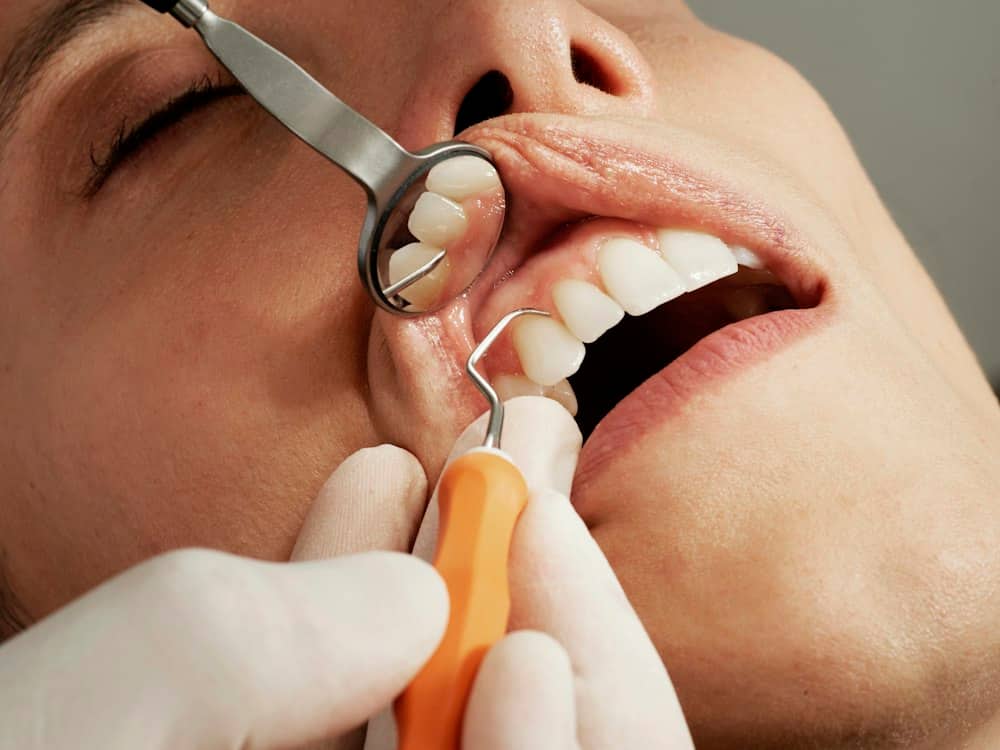
Your dentist will look at every tooth, checking for decay, cracks and wear, then examine your gums, bite, jaw joints, tongue and the soft tissues of your mouth. They may use a small mirror and a gentle probe, and measure your gums to check their health.
X-rays
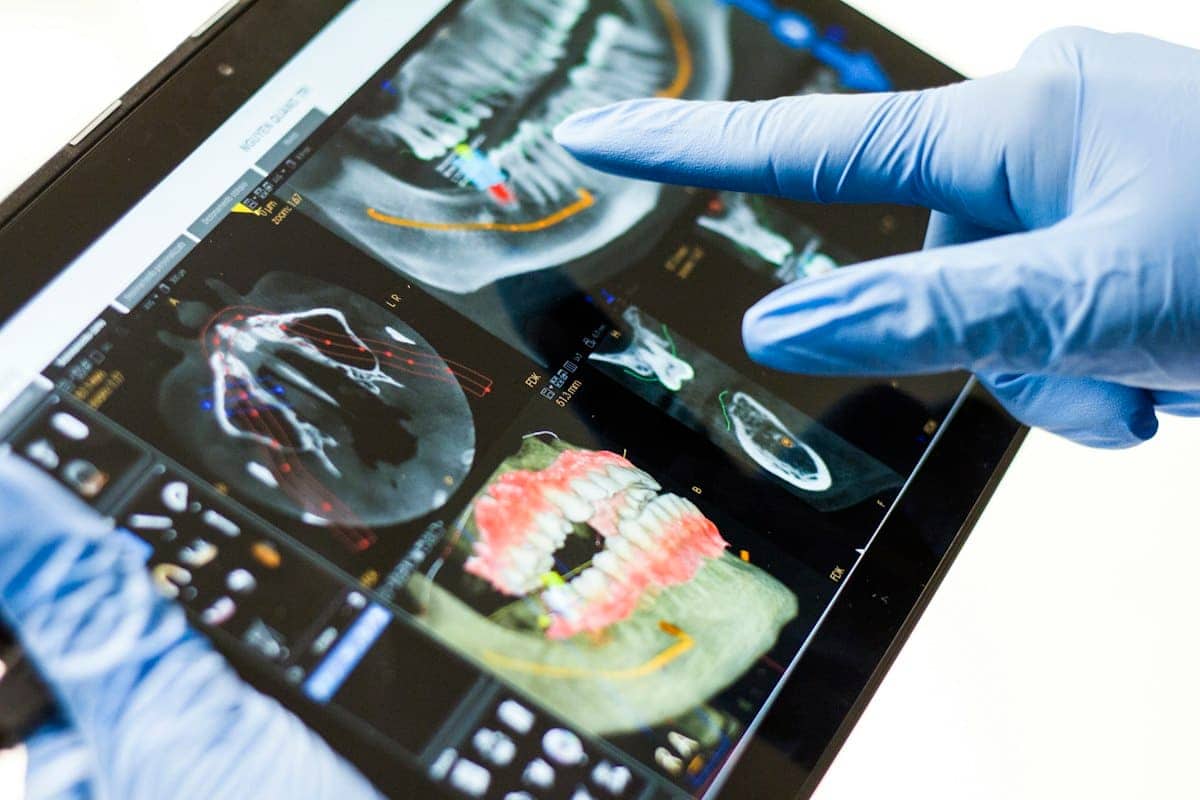
X-rays show what cannot be seen directly: decay between teeth, bone levels and the roots. They are taken only when needed and use very low doses of radiation.
The professional clean
A hygienist or dentist removes plaque and hardened tartar from above and just below the gumline, then polishes your teeth. It should be thorough but not painful; tell them if you are uncomfortable.
Afterwards
Your dentist will explain what they found, whether any treatment is needed, and when to come back. This is the moment to ask questions.
- What should I be doing differently at home?
- Is there anything you are keeping an eye on?
- What would treatment involve, and what are the alternatives?
Frequently asked questions
How long does a check-up take?
Typically 30 to 60 minutes, depending on whether it includes X-rays and a professional clean.
Will a check-up hurt?
It should not. If something feels uncomfortable, say so and your dentist can adjust or pause.
Do I need to brush before I go?
It is a good idea to brush and clean between your teeth beforehand, but do not worry about perfection.
This guide is for general information and is not a substitute for professional dental advice. If you are worried about your oral health, speak to a dentist.