A sudden twinge from an ice-cold drink or a hot coffee is common, and it usually has a cause that can be found and treated. Here is what is often behind it.
On this page5
What causes sensitive teeth
Under the hard enamel of each tooth is a layer called dentine, which contains tiny channels leading to the nerve. When enamel wears thin or the gum pulls back, those channels are exposed and hot, cold, sweet or acidic things can reach the nerve, causing a short, sharp pain.
- Enamel worn down by acidic foods and drinks, or by hard brushing
- Gums that have receded and exposed the root
- Decay or a cracked tooth
- Grinding or clenching your teeth, often at night
- A worn or leaking filling
- Recent whitening or dental treatment, which is usually temporary
What can help at home
For mild sensitivity, a few changes often make a difference within a few weeks.
- Use a toothpaste made for sensitive teeth, and brush with it twice a day
- Switch to a soft-bristled brush and brush gently
- Cut back on acidic drinks, and do not brush straight after having them
- Avoid very hot or very cold food and drink while it settles
When to see a dentist
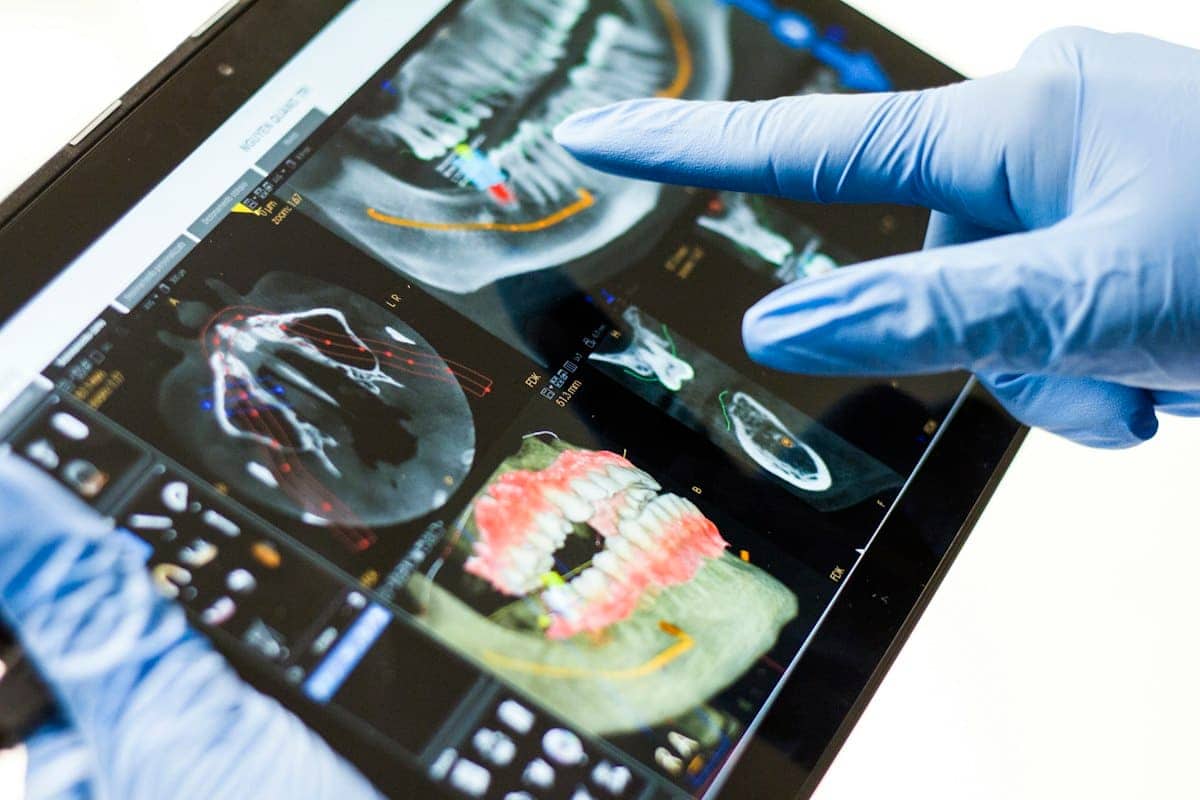
Sensitivity that lasts more than a few weeks, affects only one tooth, or comes with pain when you bite is worth having checked. It can be a sign of decay, a crack or gum disease, all of which are simpler to treat early.
How dentists treat it
The treatment depends on the cause. A dentist might apply a fluoride varnish or a protective coating to exposed areas, repair a worn filling or a cracked tooth, bond over an exposed root, or suggest a night guard if you grind your teeth. For receded gums, a gum graft is sometimes an option.
Frequently asked questions
Is sensitive teeth a sign of something serious?
Often it is not, but it can point to decay, a crack or gum disease. If it persists, it is worth a check-up.
Does sensitive toothpaste really work?
For many people it helps, though it can take a few weeks of regular use to notice the difference.
Can whitening make my teeth sensitive?
Yes, temporary sensitivity is a common side effect. It usually settles within a few days.
This guide is for general information and is not a substitute for professional dental advice. If you are worried about your oral health, speak to a dentist.