Every six months is the familiar advice, and for many people it works well. But the best schedule is personal, and your dentist is the right person to set it.
Where the six-month rule comes from
Twice-a-year visits became a convention because they give a sensible window to catch problems early and keep plaque and tartar under control. It is a useful starting point, not a law.
Who may need to visit more often
Your dentist may suggest shorter gaps between appointments if you have:
- A history of gum disease or frequent cavities
- Braces, implants or other dental work to monitor
- Diabetes or another condition that affects oral health
- A dry mouth, or you smoke
- Pregnancy, which can affect the gums
Who may be fine with fewer
If your teeth and gums are consistently healthy and you keep up good habits at home, your dentist may be happy to see you every nine to twelve months, or longer. This should be their recommendation, not an assumption.
What a routine visit covers
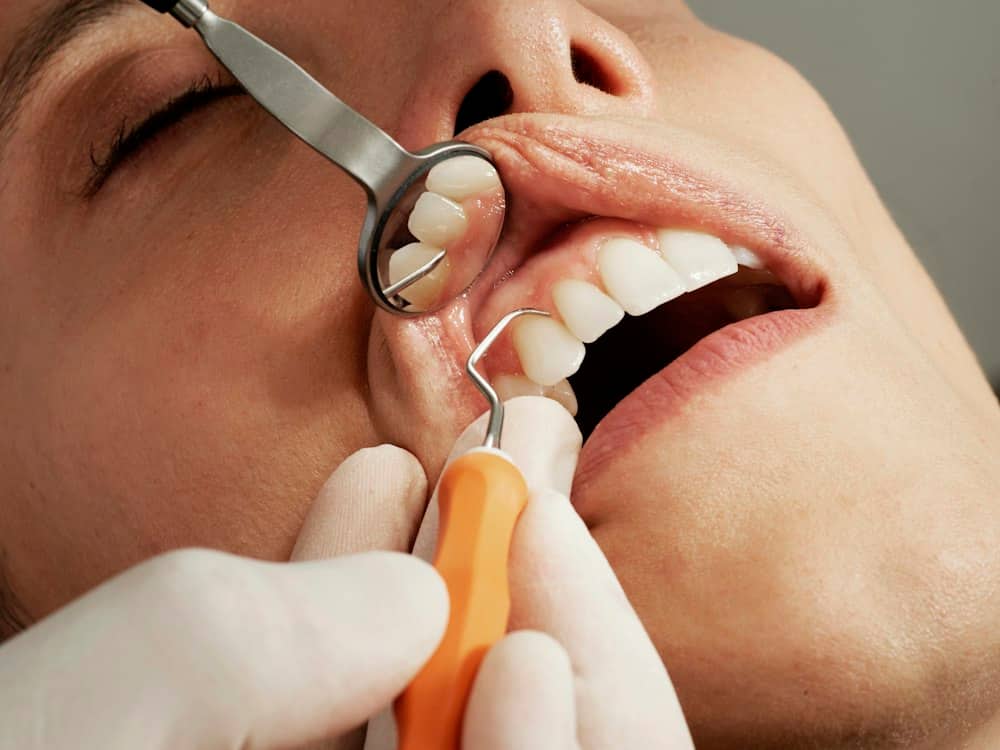
A check-up looks at your teeth, gums, tongue and the soft tissues of your mouth, with X-rays when needed. It is often combined with a professional clean to remove tartar that brushing cannot.
Frequently asked questions
Is once a year enough?
For some people with low risk, yes. Your dentist can tell you based on your mouth, not a general rule.
How often should children go?
Most children are seen every six months, but your dentist may adjust that depending on their needs and cavity risk.
What if I have not been for years?
It is never too late. A good dentist will focus on helping you, not on how long it has been.
This guide is for general information and is not a substitute for professional dental advice. If you are worried about your oral health, speak to a dentist.