A cavity forms when acid from bacteria slowly wears through tooth enamel. The good news is that a few consistent habits can stop most cavities before they start.
How cavities form
Bacteria in plaque feed on sugars and starches from food and drink, producing acid. Each exposure weakens enamel a little. Given time and frequent exposure, a small soft spot becomes a hole.
Early on, the process can be slowed or even reversed with fluoride and better habits. Once a hole has formed, it needs a filling.
Brush with fluoride, twice a day
Fluoride strengthens enamel and helps repair early damage. Brush for two minutes, morning and night, and spit rather than rinse so the fluoride stays on your teeth a little longer.
Clean between your teeth
A toothbrush cannot reach the sides of your teeth, where many cavities begin. Floss or interdental brushes once a day clear the plaque it misses.
Watch how often you snack
It is not only how much sugar you have but how often. Sipping sugary drinks or grazing through the day keeps your mouth acidic. Keep sweet things to mealtimes where possible, and choose water between them.
- Limit fizzy drinks, juice and sweets between meals
- Rinse with water after acidic or sugary foods
- Choose cheese, nuts and crunchy vegetables as snacks
See your dentist regularly
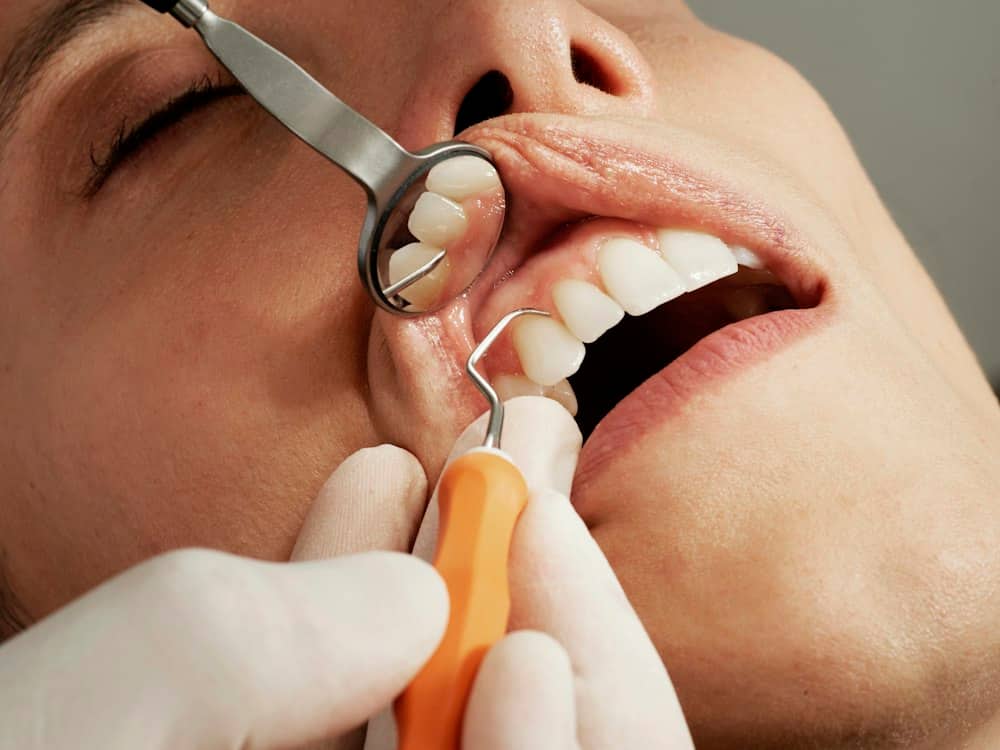
Check-ups catch early decay before it hurts. Your dentist may also suggest fluoride varnish or sealants, a thin protective coating that shields the deep grooves of back teeth, which can be especially helpful for children.
Frequently asked questions
Can a cavity heal on its own?
Very early enamel damage can sometimes be reversed with fluoride and better habits. Once there is a hole, it needs to be treated by a dentist.
Do cavities always hurt?
No. Many cavities cause no pain until they are large, which is why regular check-ups and X-rays are valuable.
Are sealants worth it?
They can be a good option for children and for adults with deep grooves in their back teeth. Ask your dentist whether they would help you.
This guide is for general information and is not a substitute for professional dental advice. If you are worried about your oral health, speak to a dentist.