Implants suit many people, but not everyone, and they are not the only way to replace a tooth. Here is what influences the decision.
Who is usually a good candidate
- Healthy gums, free from active gum disease
- Enough bone to support the implant, or a plan to rebuild it
- Good general health
- A commitment to cleaning and regular check-ups
What can affect suitability
Smoking, uncontrolled diabetes, some medications and past radiotherapy to the jaw can affect healing. These do not always rule an implant out, but they need to be discussed openly with your dentist.
The alternatives
- A bridge, which uses neighbouring teeth to support a replacement
- Partial or full dentures, which can be removed
- Leaving the gap, which some people prefer for back teeth
Each has different costs, lifespans and effects on neighbouring teeth. There is no single right answer, only the right one for you.
Questions to ask your dentist
- Am I a suitable candidate, and why?
- Will I need any preparation, such as a bone graft?
- What is the full cost, and what is included?
- How long will treatment take?
- What are the alternatives?
Frequently asked questions
Am I too old for an implant?
There is no fixed upper age. Overall health and bone condition matter more than the number.
What if I do not have enough bone?
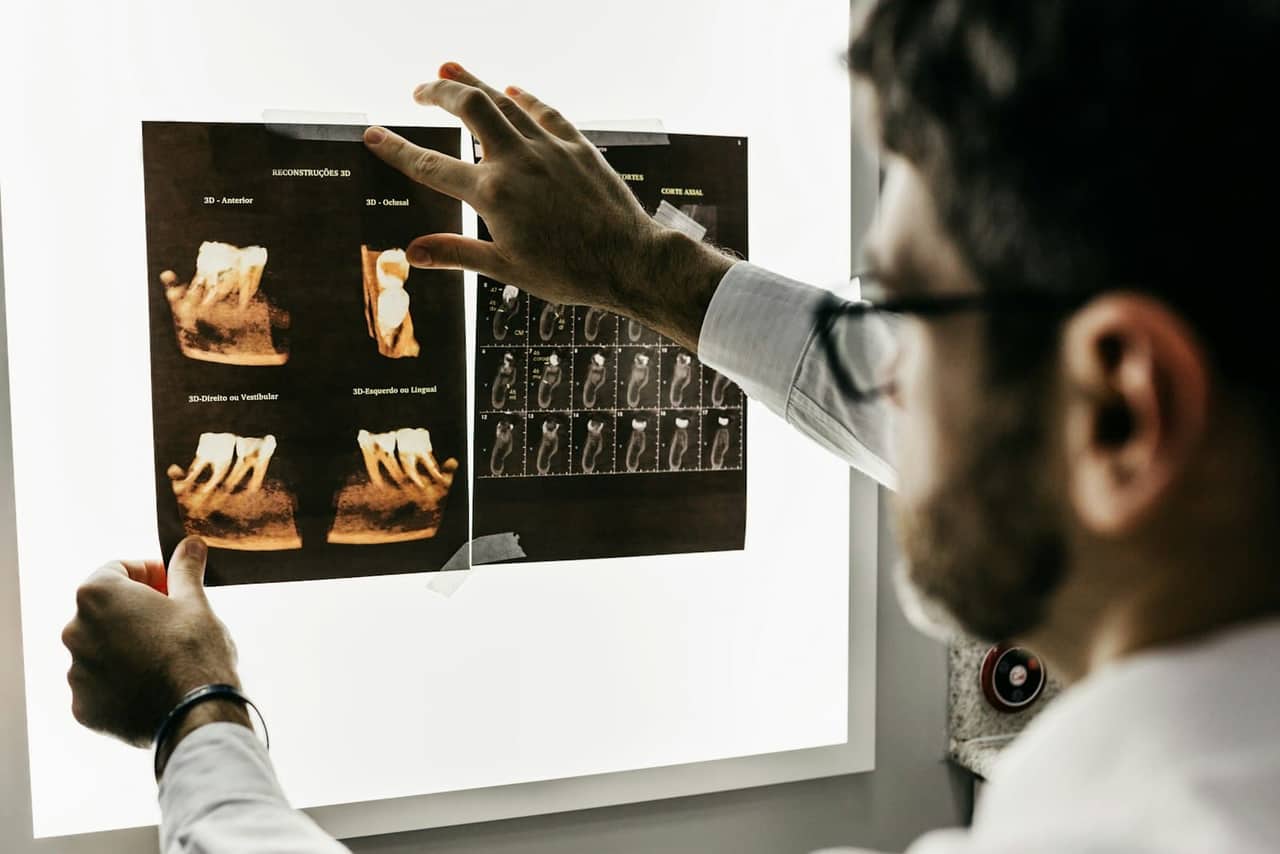
A bone graft can sometimes rebuild it. Your dentist will assess this with a scan.
Are implants more expensive than other options?
The upfront cost is often higher, but they can last longer. Compare the cost over the long term with your dentist.
This guide is for general information and is not a substitute for professional dental advice. If you are worried about your oral health, speak to a dentist.