A root canal treats an infected or badly damaged tooth from the inside so you can keep it. With modern anaesthetic it should feel much like having a filling.
On this page5
Why a root canal is needed
Inside every tooth is soft tissue called the pulp, which holds nerves and blood vessels. Deep decay, a crack or repeated dental work can let bacteria reach it, causing infection and pain.
Removing the infected pulp and sealing the tooth usually lets you keep your natural tooth, which is generally preferable to losing it.
Signs you might need one
- Severe toothache, especially when biting or pressing
- Lingering sensitivity to hot or cold
- A darkening tooth
- Swelling or tenderness in the gum nearby
- A small pimple-like bump on the gum
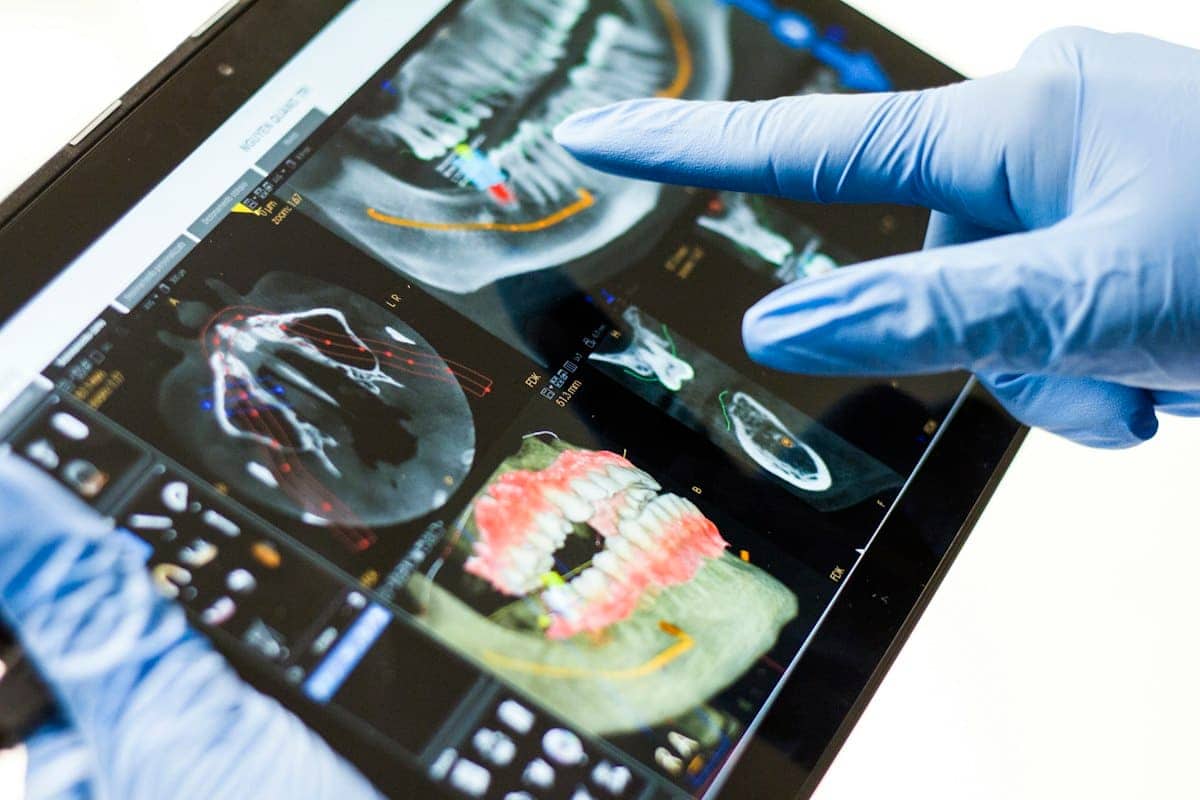
Sometimes there are no symptoms at all and the problem is found on an X-ray, which is another reason regular check-ups matter.
The procedure, step by step
- Numbing: a local anaesthetic makes the area comfortable.
- Access: a small opening is made in the top of the tooth.
- Cleaning: the infected pulp is removed and the canals are cleaned and shaped.
- Sealing: the canals are filled and sealed to keep bacteria out.
- Restoring: a filling or crown protects the tooth, often at a later visit.
Treatment can take one or two visits depending on the tooth and how complex its canals are.
Recovery and aftercare
It is normal for the tooth to feel tender for a few days as the surrounding tissue settles. Over-the-counter pain relief is usually enough, and most people return to normal activities the next day.
Avoid chewing hard foods on the treated tooth until it has its permanent restoration, and keep brushing and cleaning between your teeth as usual.
Frequently asked questions
Does a root canal hurt?
The treatment itself is done under local anaesthetic and should feel similar to having a filling. Some tenderness afterwards is normal and usually settles within a few days.
How long does a root canal take?
Many are completed in one to two visits of around an hour or more each, depending on the tooth.
Will I need a crown afterwards?
Often yes, particularly for back teeth, because a treated tooth can be more brittle. Your dentist will advise on the best way to protect it.
Is it better to pull the tooth instead?
Saving a natural tooth is usually preferred when it can be restored. Your dentist can talk through the options and what each would involve.
This guide is for general information and is not a substitute for professional dental advice. If you are worried about your oral health, speak to a dentist.